
Tips for Creating a Cozy and Productive Home Workspace
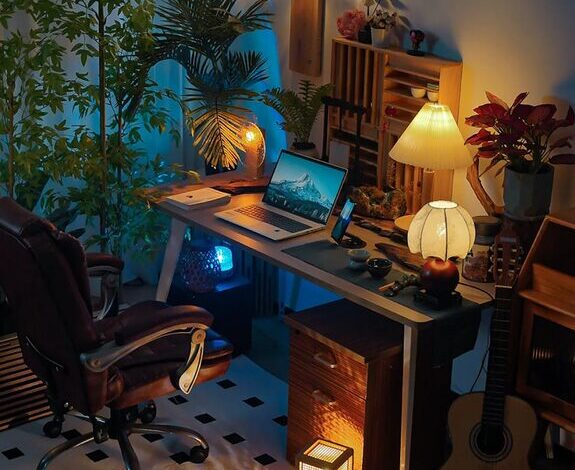
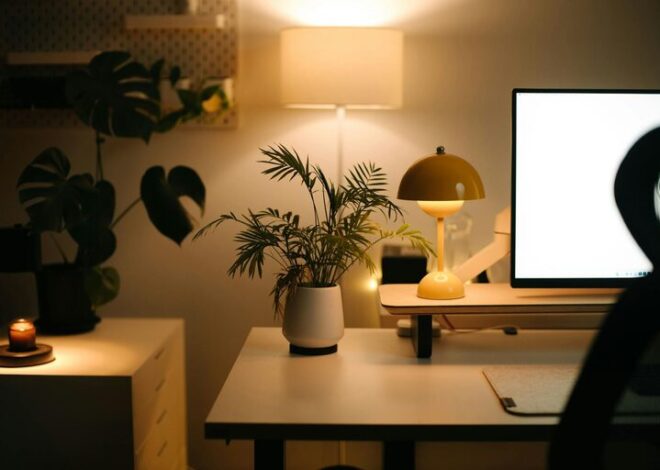
Creating a cozy and productive home workspace is essential for anyone working remotely or spending considerable time on tasks at home. A well-thought-out workspace helps you stay focused, motivated, and comfortable, ultimately boosting your productivity. Whether you have a dedicated room or just a small corner, these tips will help you design an ideal environment tailored to your needs.
Choose the Right Location
Consider Natural Light
Natural light can have a positive impact on your mood and energy levels. Whenever possible, set up your workspace near a window to take advantage of daylight. Position your desk so that the light comes from the side to prevent glare on your screen.
Minimize Distractions
Select a quiet spot with minimal foot traffic to reduce interruptions. If your home is noisy, consider using noise-cancelling headphones or soft background music to create a focused atmosphere.
Invest in Comfortable Furniture
Ergonomic Chair and Desk
Comfortable furniture supports good posture and prevents strain. Choose an ergonomic chair with adjustable height and lumbar support. Your desk should be at a height where your forearms are parallel to the floor when typing.
Add Soft Textiles
Enhance coziness by incorporating soft elements such as a cushioned seat pad, a cozy throw blanket, or a small rug under your desk. These touches add warmth and help create an inviting workspace.
Organize Your Space Efficiently
Declutter Regularly
A tidy workspace encourages clear thinking. Keep only essential items on your desk, and organize papers, cables, and supplies using drawers or storage boxes.
Use Functional Storage
Shelves, file organizers, and drawer dividers help keep supplies orderly and within reach. Consider adding a corkboard or whiteboard for notes and reminders.
Personalize Your Workspace
Add Plants
Indoor plants improve air quality and add life to your workspace. Choose low-maintenance plants like succulents, pothos, or snake plants.
Display Inspiring Items
Personal touches like photos, artwork, or motivational quotes make your workspace more inviting and inspiring. Just avoid cluttering your space.
Optimize Lighting
Layer Your Lighting
Relying solely on overhead lights can cause eye strain. Use a combination of ambient, task, and accent lighting. A desk lamp with adjustable brightness is ideal for focused work.
Choose the Right Bulbs
Select bulbs with a color temperature around 4000K–5000K to mimic natural daylight, which helps reduce fatigue and improves alertness.
Establish Boundaries and Routine
Define Work Hours
Set specific working hours to separate professional time from personal time. This helps maintain work-life balance and keeps stress in check.
Create Rituals
Start your workday with simple habits like making your bed, dressing comfortably but neatly, or preparing a cup of tea. These rituals signal your brain that it’s time to focus.
Maintain Good Air Quality and Temperature
Ventilate Your Space
Keep windows open when possible to let in fresh air and avoid stuffiness. If that’s not an option, consider an air purifier.
Control Temperature
Ensure your workspace is neither too hot nor too cold. Use fans, heaters, or blankets to adjust the temperature to your comfort.
Use Technology Wisely
Reliable Equipment
Invest in a good-quality computer, monitor, and accessories to avoid frustration due to technical issues.
Cable Management
Use cable clips or sleeves to keep cords organized and out of the way, reducing clutter and tripping hazards.
Take Breaks and Move
Follow the 20-20-20 Rule
Every 20 minutes, look at something 20 feet away for at least 20 seconds to reduce eye strain.
Stretch and Change Positions
Stand up, stretch, or walk around regularly to prevent stiffness and boost circulation.
—
By combining comfort, organization, and functionality, you can create a home workspace that supports both productivity and well-being. Start small by incorporating a few of these tips today and gradually build an environment that feels just right for your work style.