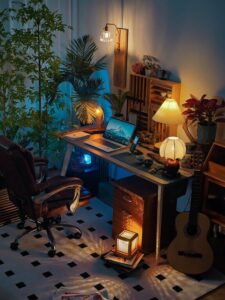
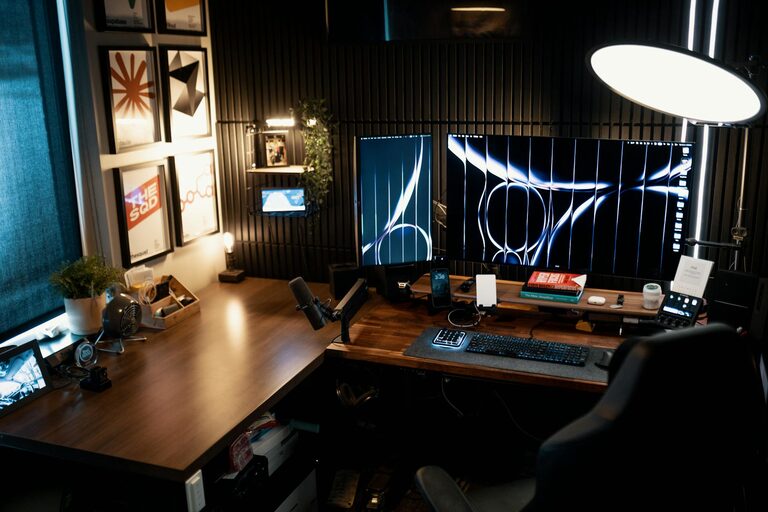
Creating a home office that feels both cozy and productive is key to making remote work enjoyable and efficient. Whether you are new to working from home or looking to refresh your current setup, having a space designed to support your focus and comfort can make a big difference in your daily routine. Here are some tips to help you design a home office that meets your needs.
Choose the Right Location
The first step is deciding where to place your home office. Ideally, select a quiet area with minimal distractions and good natural light. If you don’t have a dedicated room, consider a corner or nook that can be clearly defined as your work zone.
Tips for location:
– Avoid high-traffic areas of your home
– Position near windows for daylight and fresh air
– Ensure enough space for your equipment and movement
Invest in Comfortable Furniture
Comfort is crucial since you will spend hours sitting and working. A supportive ergonomic chair and a desk at the right height help reduce strain and fatigue. Think about your posture and how your setup encourages healthy habits.
Furniture essentials:
– Adjustable office chair with lumbar support
– Desk with enough surface area for computer and materials
– Footrest or adjustable stand if needed
Organize for Efficiency
A clutter-free desk enhances productivity and reduces stress. Use storage solutions that keep your office supplies and paperwork tidy and within reach. Efficient organization creates a seamless workflow.
Organizational ideas:
– Use shelves or cabinets for books and documents
– Drawer organizers for small items like pens and chargers
– Cable management tools to keep wires neat
Personalize for Comfort and Inspiration
Adding personal touches can make your office feel inviting and motivate you throughout the day. However, avoid overdecorating, so the space remains functional.
Personalization tips:
– Include plants to add greenery and improve air quality
– Display art or photos that inspire you
– Choose colors that promote focus and calm, such as soft blues or greens
Optimize Lighting
Proper lighting reduces eye strain and boosts energy. Natural daylight is best, but supplement with task lighting as needed.
Lighting suggestions:
– Position desk near a window with blinds to control glare
– Use adjustable desk lamps focused on your work area
– Consider warm light bulbs to create a cozy atmosphere
Minimize Distractions
Try to limit noise and interruptions for better concentration. Inform family or housemates about your work hours.
Ways to reduce distractions:
– Use noise-cancelling headphones or white-noise machines
– Set clear boundaries to avoid overlapping household activities
– Keep your workspace dedicated only to work to create mental separation
Incorporate Technology Thoughtfully
Choose reliable devices and tools that support your work without complicating your setup. Keep your tech organized and accessible.
Tech considerations:
– Use a quality monitor or laptop stand for better ergonomics
– Invest in an external keyboard and mouse for comfort
– Arrange chargers and cables neatly with organizers
Maintain a Routine and Clean Space
A regular schedule and a clean workspace positively impact productivity and mood. At the end of your day, take a few minutes to tidy up.
Helpful habits:
– Start and end work at consistent times
– Take short breaks to stretch and refresh
– Clean your desk weekly to keep clutter at bay
Final Thoughts
Designing a cozy and productive home office is about balance. You want a space that supports your focus, keeps you comfortable, and makes work feel enjoyable. With thoughtful planning and simple adjustments, you can create an environment that helps you stay motivated and efficient every day.
Remember, your home office should evolve with your needs, so don’t hesitate to experiment and tweak your setup over time. Happy working!